Spring sump pump checklist
Ten minutes of testing before the thaw can prevent a wet basement.
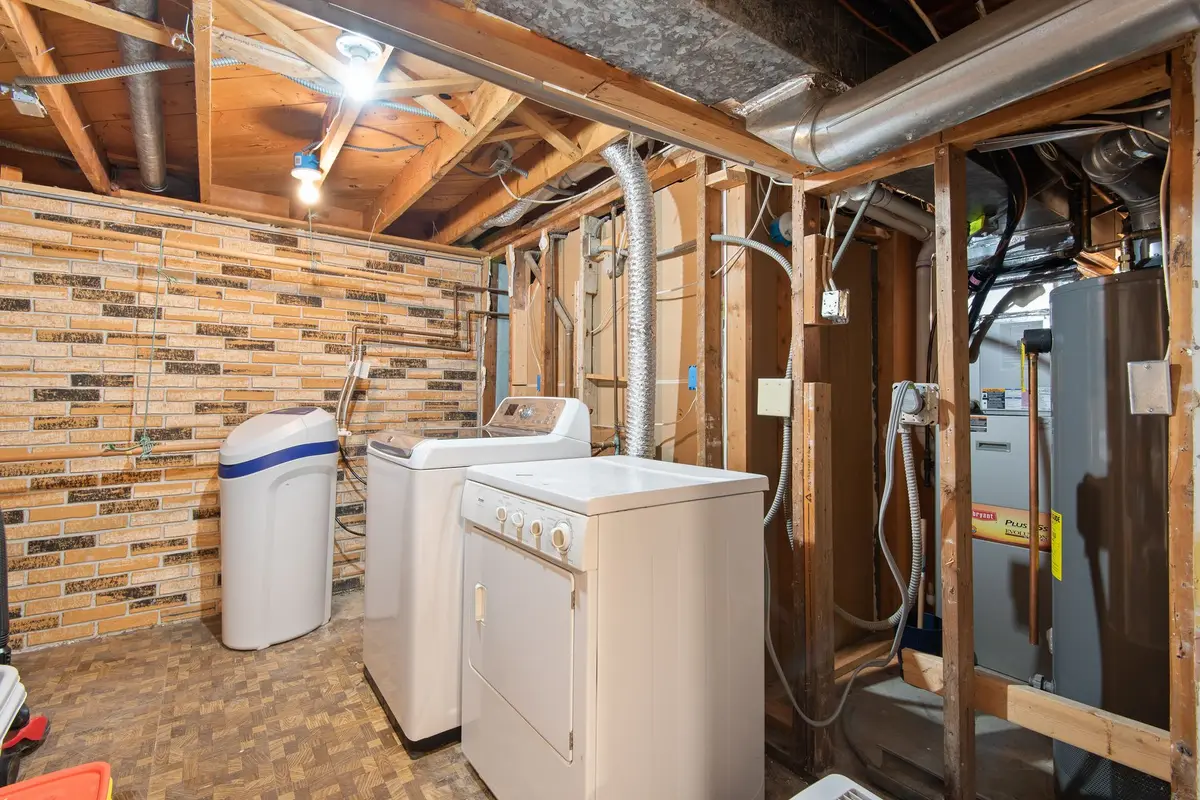
Late winter is the time to check your sump system. When snowmelt and spring rain arrive together, the pump may run more than at any other time of year.
Safety first
Unplug the pump before reaching into the pit. Do not stand in water near electrical equipment. Keep a flashlight handy.
1. Inspect the pit
- Remove debris, gravel and silt.
- Make sure the pump sits level and stable.
- Note the normal water level.
2. Test the pump
Plug the pump in and slowly pour a bucket of water into the pit. The pump should start, empty the pit and shut off. Listen for grinding or rattling.
3. Check the float
The float or switch should move without catching on the pit wall or cord.
4. Check the check valve
When the pump stops, water should not rush back into the pit.
5. Follow the discharge line
Outside, make sure the line is clear, not crushed or blocked by ice, and ends well away from the foundation. On sloped lots, confirm water flows downhill and away from neighbors and walkways.
6. Test the backup
Unplug the main pump and let the battery backup run. Check the battery date and charger. If you have a water-powered backup, confirm the supply valve is open.
7. Test the alarm
Lift the alarm float or press the test button. Confirm phone notifications work if connected.
8. Look around the basement
Check for damp spots at the floor edge, new cracks, white deposits and musty odors. Move stored items off the floor near exterior walls.
9. Check outside
- Clear snow from foundation walls, window wells and cellar steps.
- Clean gutters and attach downspout extensions.
- Note low spots near the house to fill after the thaw.
10. Write it down
Record the date, what you tested and anything unusual. Notes help you spot changes year to year.
When to call
Call to connect with a local specialist if the pump fails a test, runs constantly, short-cycles, makes unusual noise or if water still appears in the basement. Learn more in sump pump installation and backups.
This resource is general information for homeowners, not engineering, legal or insurance advice. Conditions vary from home to home.
More resources
Questions about your basement?
Call to connect with an independent local waterproofing specialist.